
From the Hunter to the High Slopes: Lauren Hansens’ Reflections from the 2024 LET Dux Trip
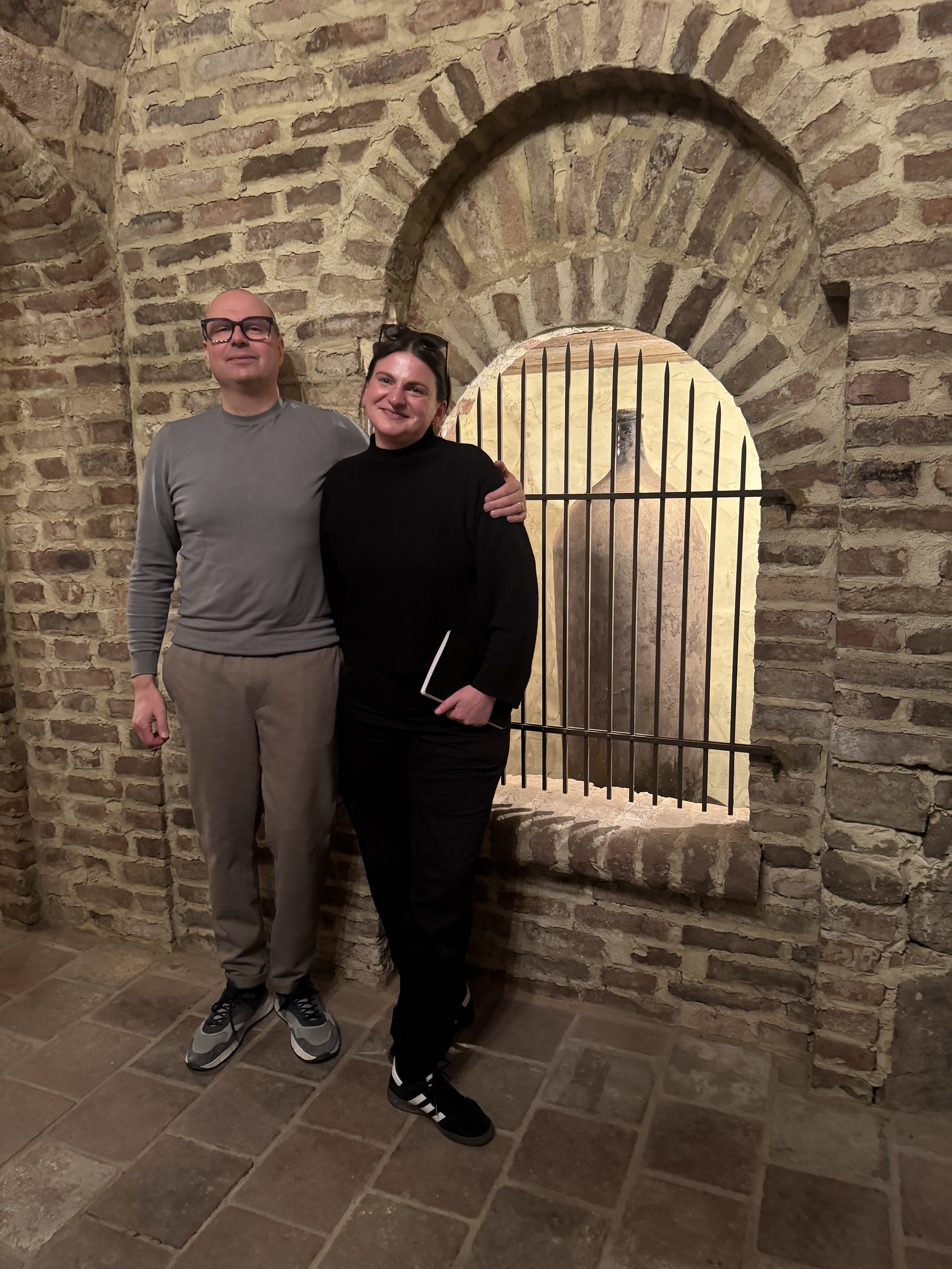
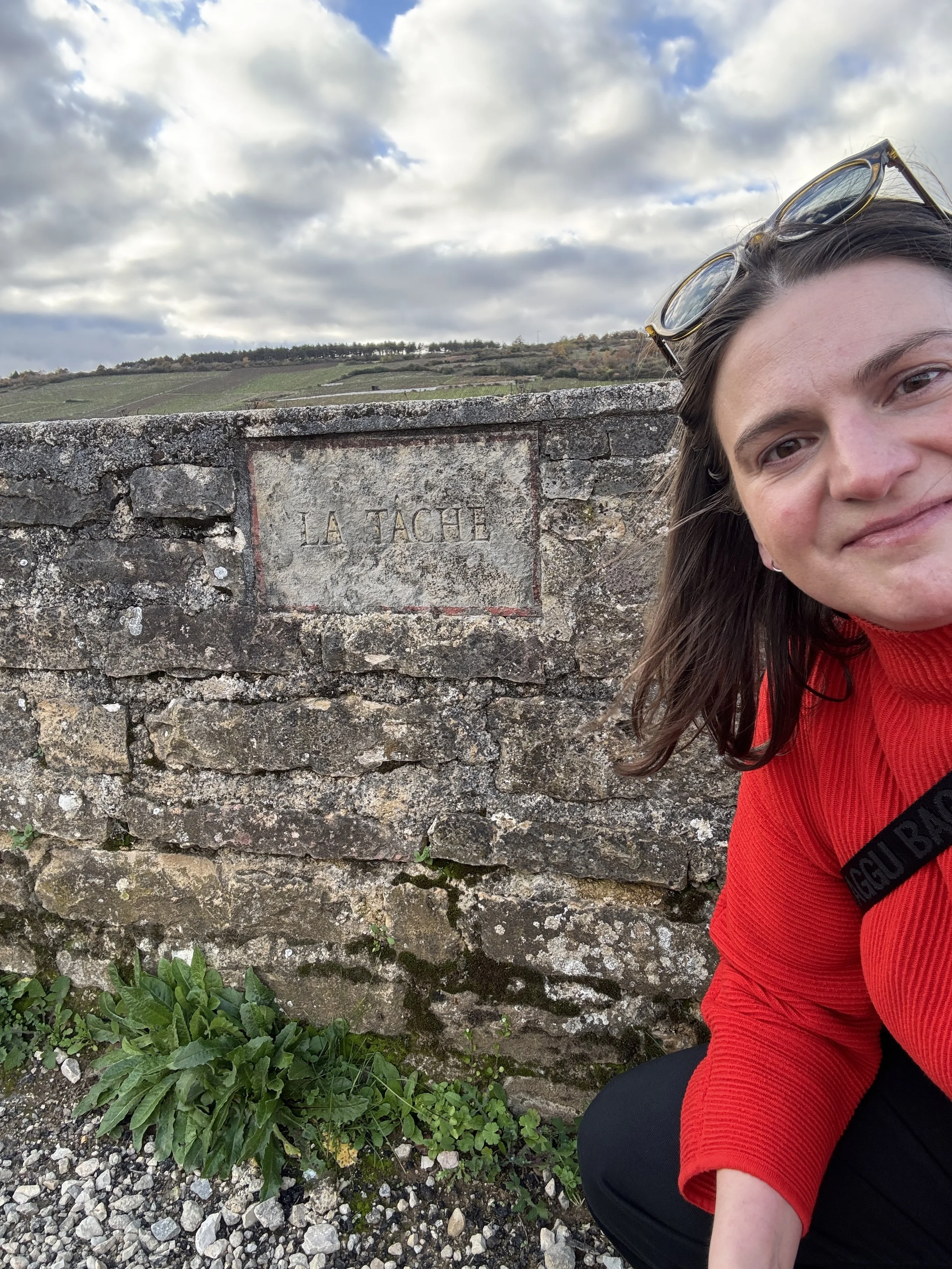
My week in the Hunter at the Len Evans Tutorial sparked a new layer of desire to understand the world of wine at a granular level. Tasting a lifetime’s worth of benchmark wines and absorbing the collective wisdom of the tutors left me hungry to continue that journey in a way I hadn’t felt since my days of vintage hopping.
I’ve always found it difficult to truly "get" a wine region through tasting notes and static maps alone. For me, the "aha" moment is physical; it happens when you stand in a vineyard, obsessively checking an iPhone compass for aspect and cross-referencing it with elevation. It’s the connection that forms when you taste a wine in a cellar and then follow the winemaker’s directions to go stand amongst the very vines that produced it.
Thanks to LET and Singapore Airlines, I was able to spend a month immersed in Burgundy, the Rhône, and Piedmont—regions that, until now, hadn’t quite "clicked" in a structural sense. While my own winemaking focus is Cabernet, these regions represented the biggest gaps in my topographical and stylistic understanding.
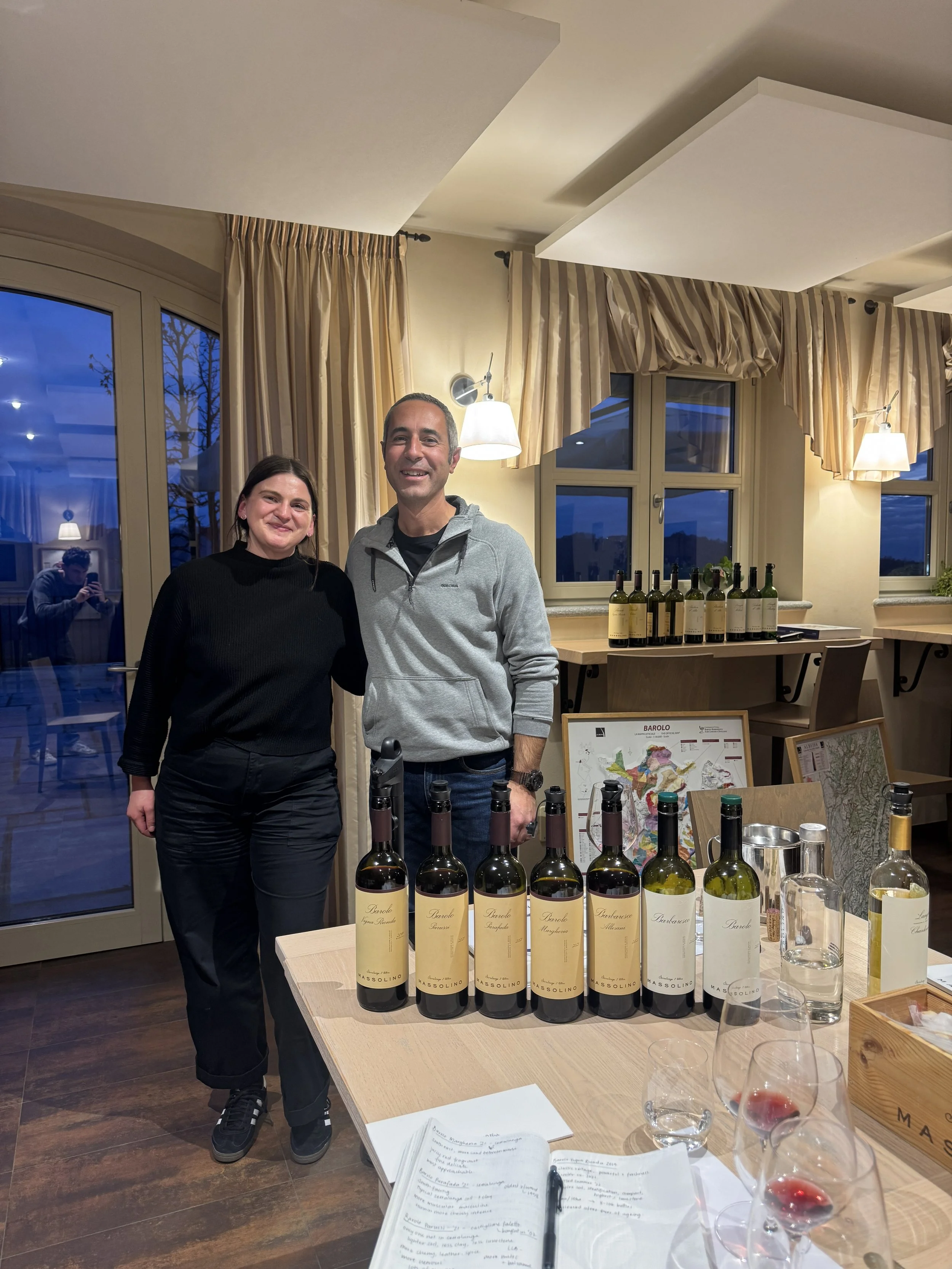
Through introductions made via the LET network, I was granted access to producers and sites that provided a masterclass in site specificity. I may still be a long way off from hosting a Barolo masterclass at a future Tutorial, but the needle has shifted. My understanding is no longer academic; it’s grounded in the dirt, the slope, and the conversation.
Through introductions made via the LET network, I was granted access to producers and sites that provided a masterclass in site specificity. I may still be a long way off from hosting a Barolo masterclass at a future Tutorial, but the needle has shifted. My understanding is no longer academic; it’s grounded in the dirt, the slope, and the conversation.
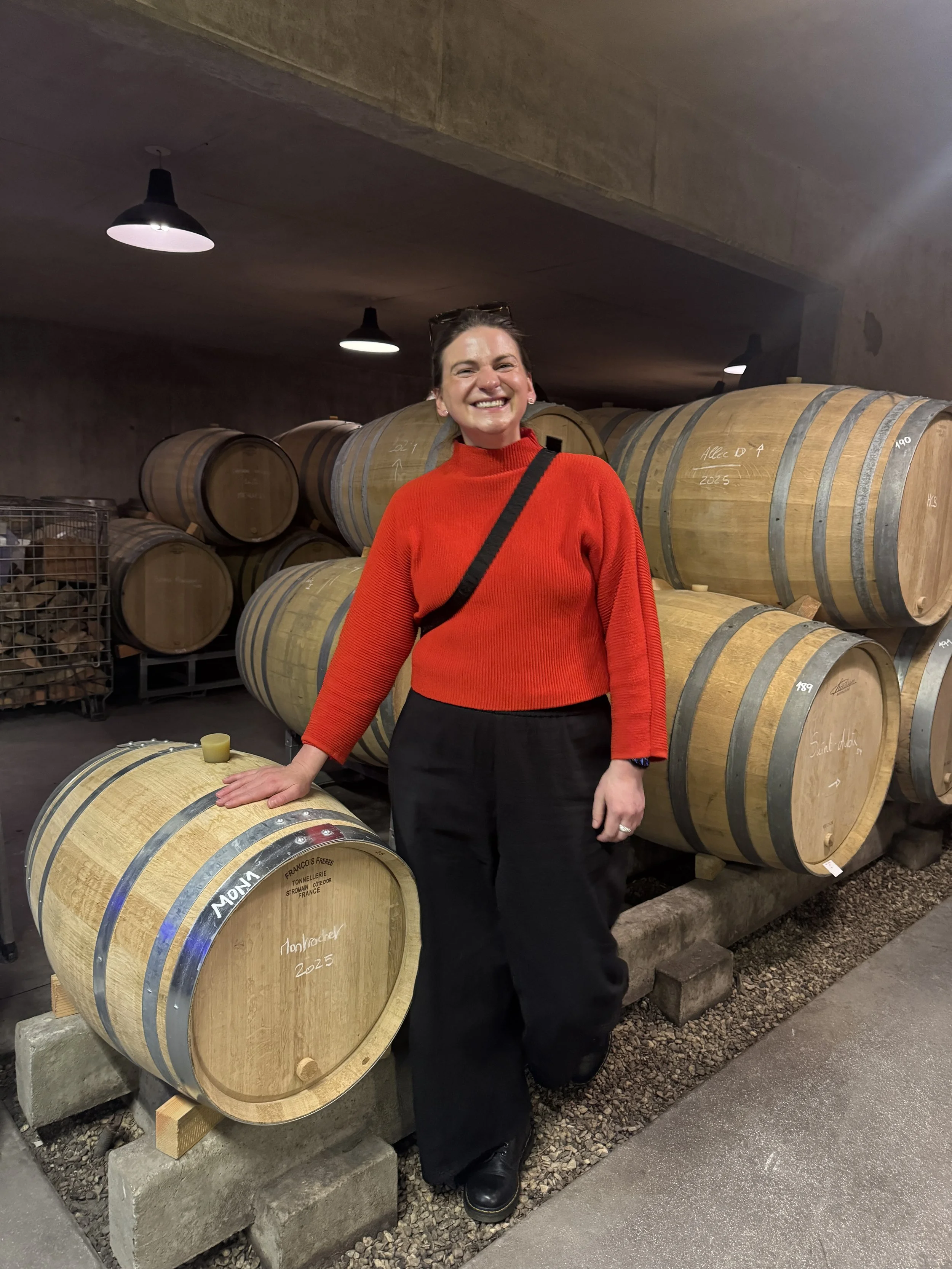
I’ve always admired the "wine nerds" who can recall the climatic fingerprint of every Burgundy vintage or the specific markers of tiny lieu-dits. After a month of intensive tasting, focusing heavily on the 2023 and 2024 vintages (with the occasional 2025 barrel sample), those growing seasons are now truly embedded in my sensory memory.
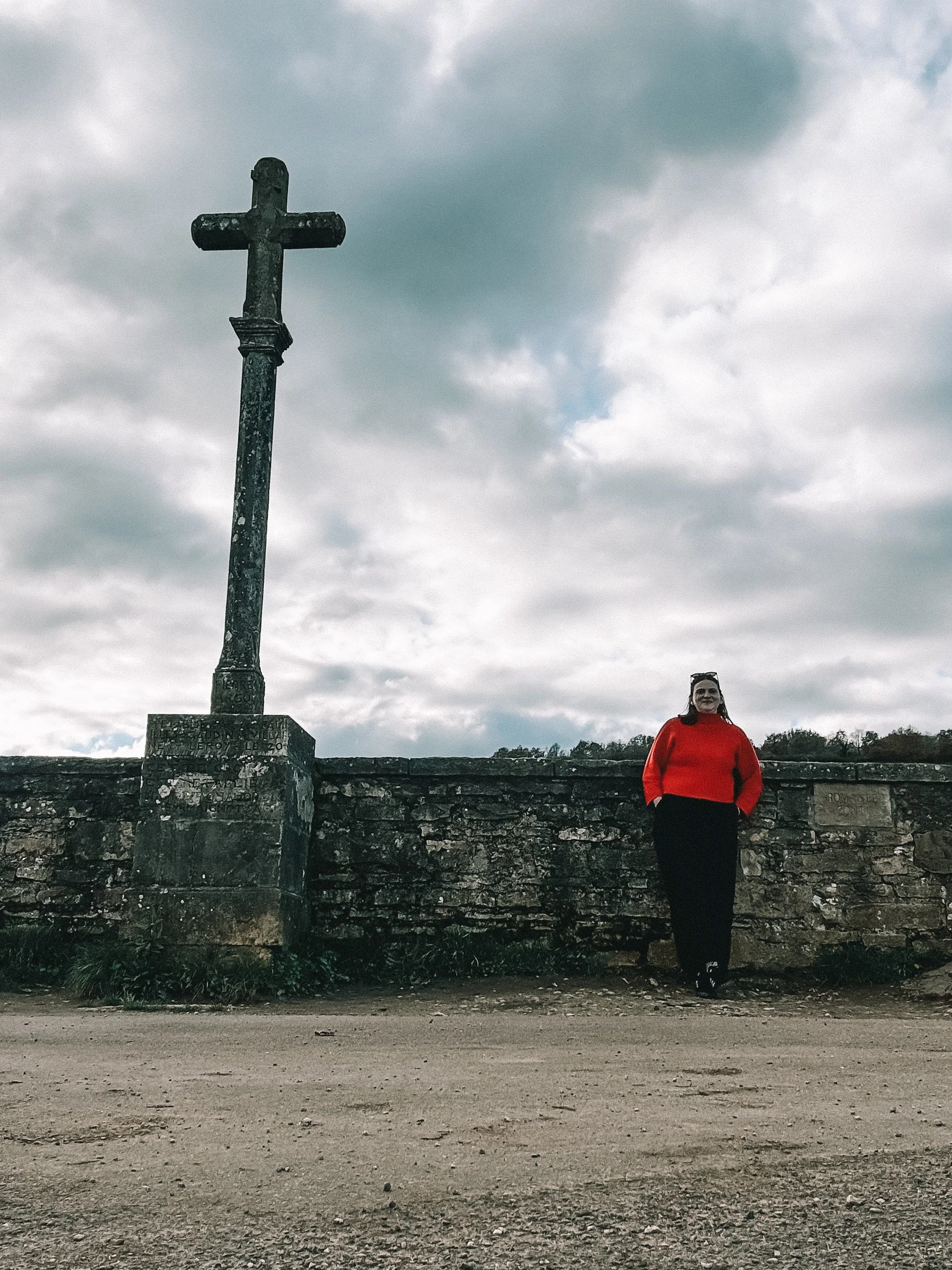
Seeing the Côte de Beaune and Côte de Nuits in person added a vital third dimension to those famous wine maps. Understanding the precise placement of the Grand Crus in relation to the mid-slope heat trap, and seeing how the drainage patterns function, has given me a new lens through which to view these wines. It also sparked a deeper curiosity about how these historic hierarchies will adapt as the climate continues to shift.
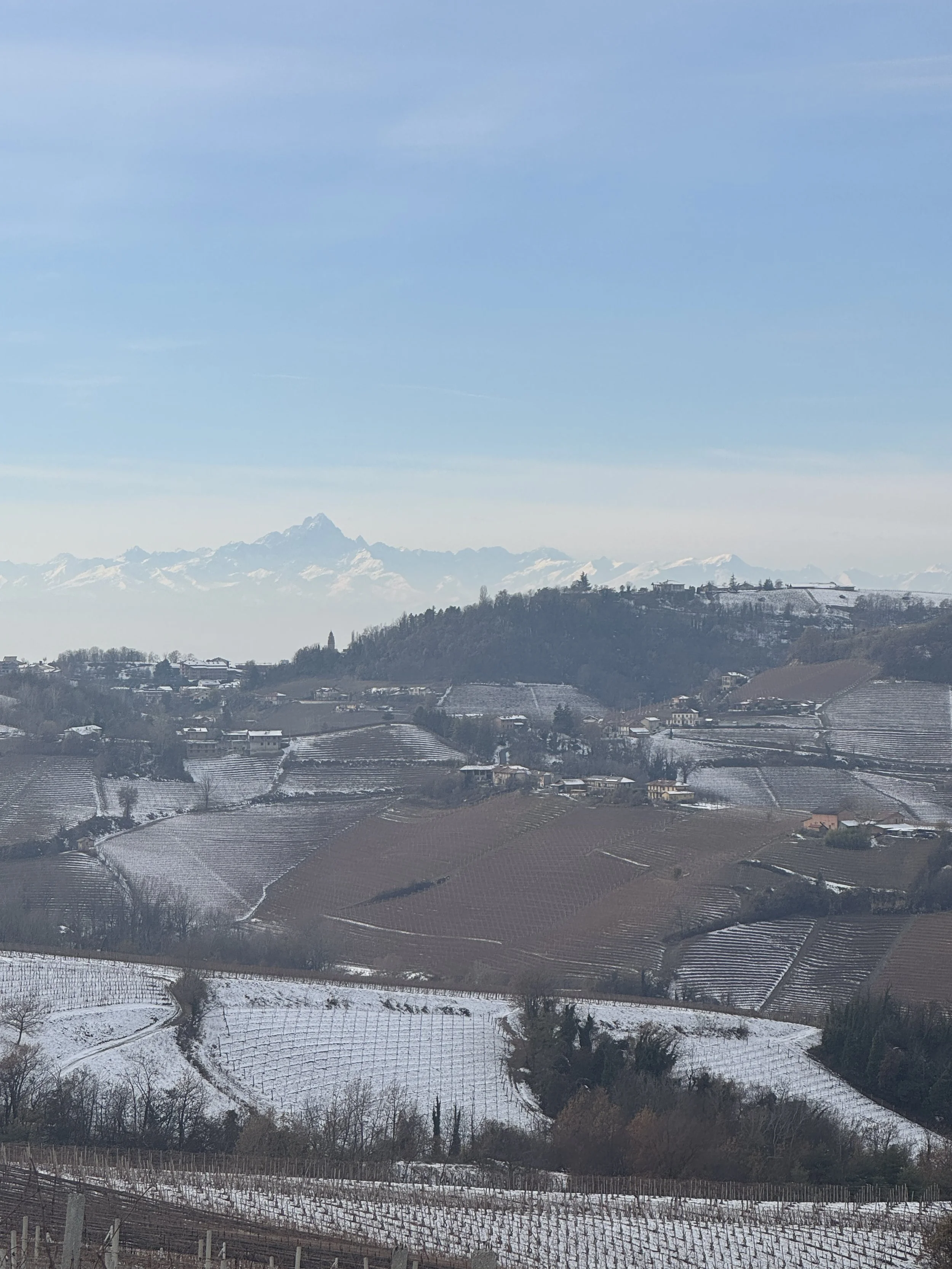
The most visceral lesson in viticulture occurred in Barolo. I woke up one morning to a fresh coat of snow upon the ground. It was an experience that provided equal parts driving anxiety and a profound educational epiphany.
Watching the snow melt rapidly on the prime south-facing sites while remaining pristine and white on the north-facing slopes for days was the ultimate demonstration of solar radiation and diurnal influence. It was a visual map of ripeness potential and heat summation that no textbook could ever replicate.
I am incredibly grateful to the Len Evans Tutorial for this opportunity. I’m already saving for the next trip to find that next "aha" moment in a new corner of the wine world—though I suspect I’ll be sitting at the back of the plane next time!
And for those wondering about the biosecurity: yes, I threw out my boots before heading home. No phylloxera, thank you.
